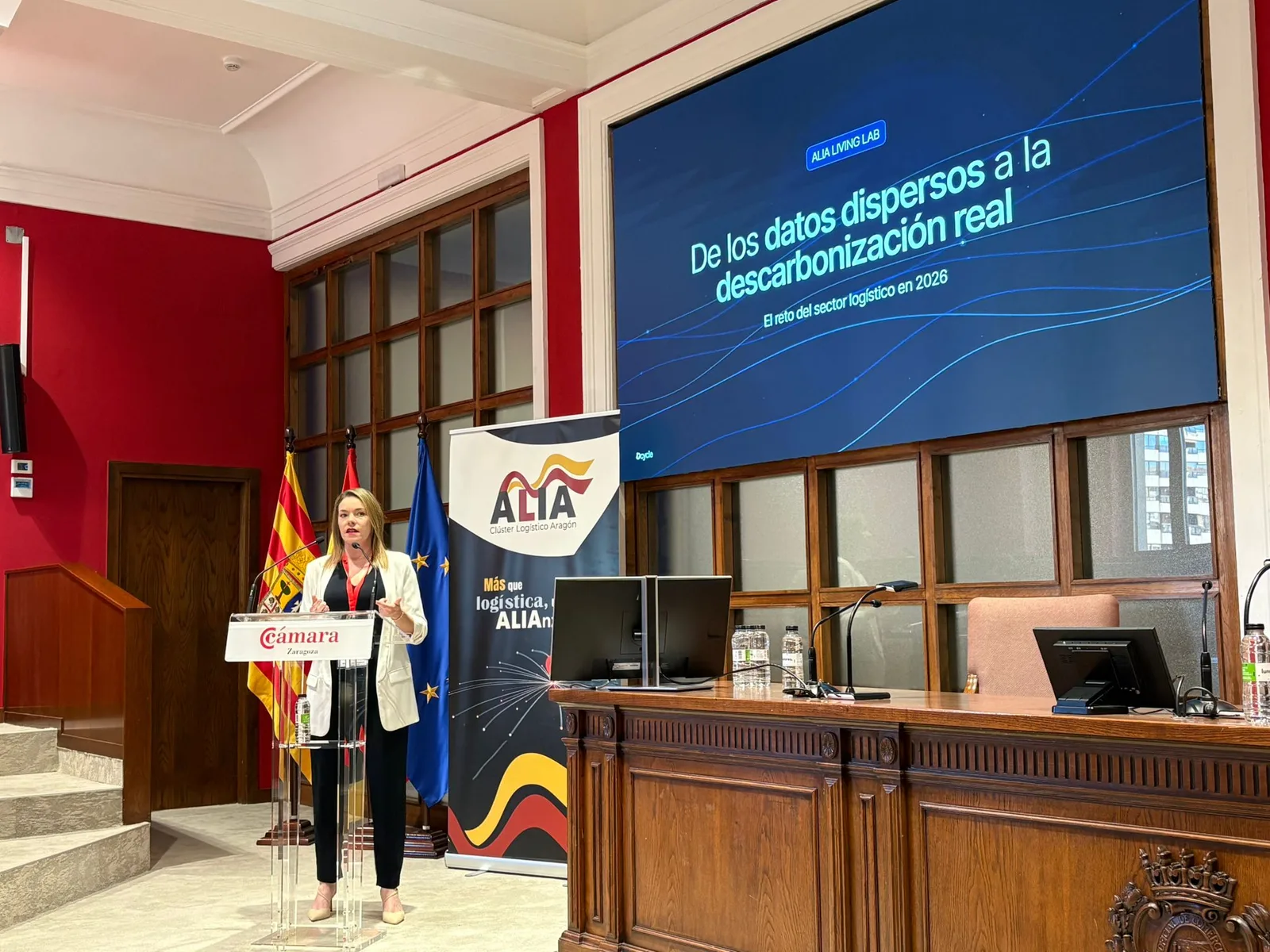
March 17, 2026 Zaragoza, Spain
ALIA Living Lab 2026: from scattered data to real decarbonization
Camara de Comercio de Zaragoza, ALIA Living Lab
ALIA, the Aragon Logistics Cluster, is one of the most active industry clusters in Spain, bringing together companies across the entire logistics value chain: transport operators, warehousing, last-mile delivery, and industrial supply chain players. When they invited us to participate in their Living Lab at the Camara de Comercio de Zaragoza on March 17, we jumped at the opportunity.
Carla de Reparaz, ESG Account Strategist at Dcycle, took the stage to share ideas, real-world trends, and practical insights on the sustainability and decarbonization challenges the logistics sector is facing right now. The session, titled “De los datos dispersos a la descarbonizacion real” (from scattered data to real decarbonization), sparked honest conversations about where the industry stands and where it needs to go.
The discussions at ALIA confirmed something we see every day working with logistics companies: the willingness to decarbonize is there, but the data infrastructure is not. Fleet consumption records live in one system, supplier data in another, route information in a third. Companies want to measure their carbon footprint, but connecting all those data points into a reliable calculation is still a major headache.
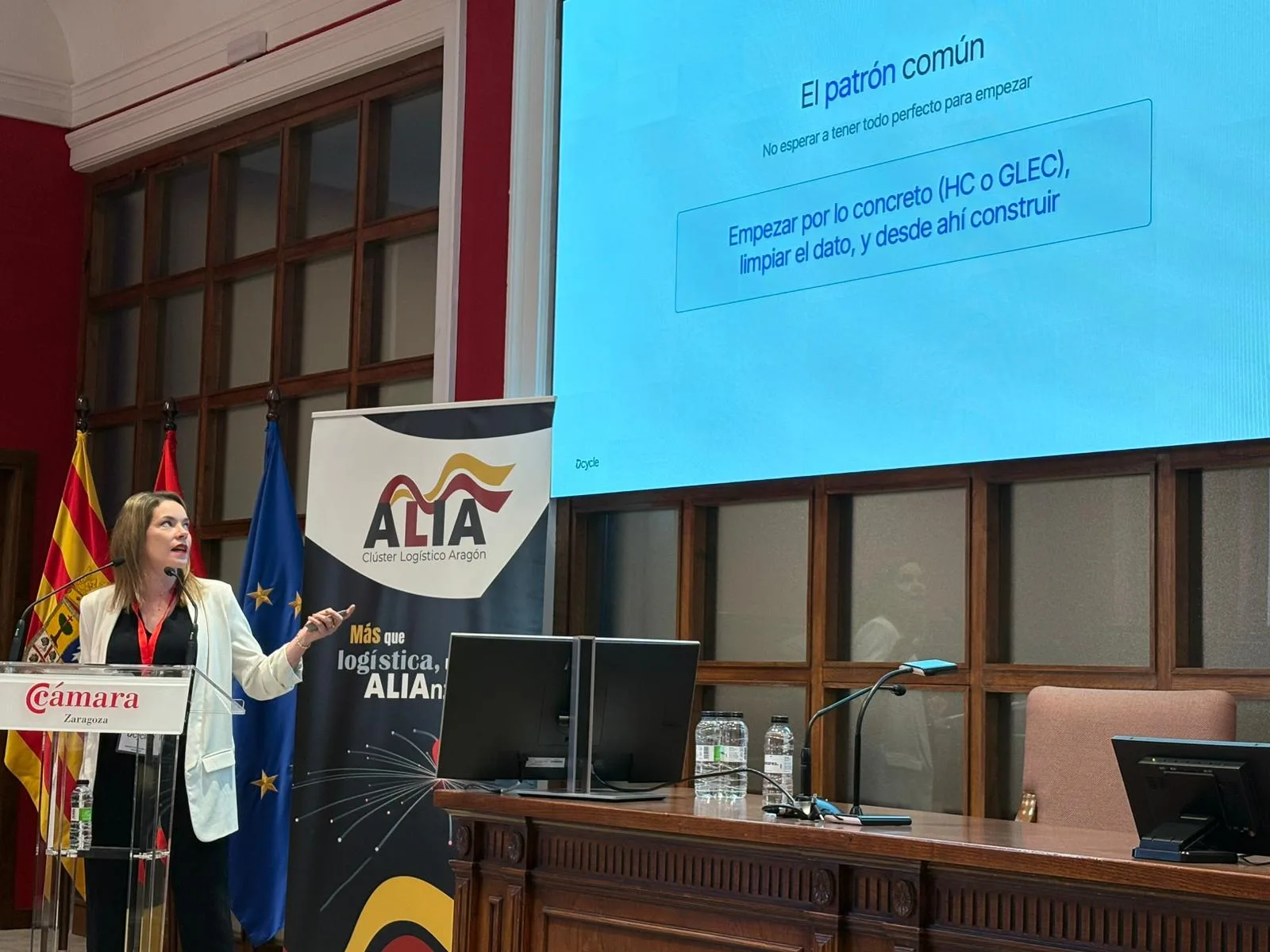
Carla shared the patterns we have identified across dozens of implementations: the companies that make real progress do not wait for perfection. They start with something concrete, whether that is a corporate carbon footprint or a GLEC Framework assessment for transport emissions, and build from there.
The conversations went well beyond Dcycle’s presentation. Attendees from across the Aragon logistics ecosystem shared their own challenges and perspectives, and several themes kept coming up:
Regulatory pressure is accelerating. The CSRD requires Scope 3 reporting that directly involves transport emissions, and clients are increasingly requesting carbon footprint data in procurement processes. This is no longer a nice-to-have; it is becoming a competitive requirement.
The GLEC Framework is gaining traction. More logistics companies are adopting it as the industry standard for calculating transport emissions. Having a tool that supports GLEC alongside GHG Protocol and CSRD reporting, reading from the same validated dataset, was one of the topics that generated the most interest.
Starting small works. One of the clearest takeaways from the session: companies that pick one measurable starting point and iterate from there get further than those trying to build a full Scope 1-2-3 reporting system from scratch. Clean the data at one level, validate it, then expand.
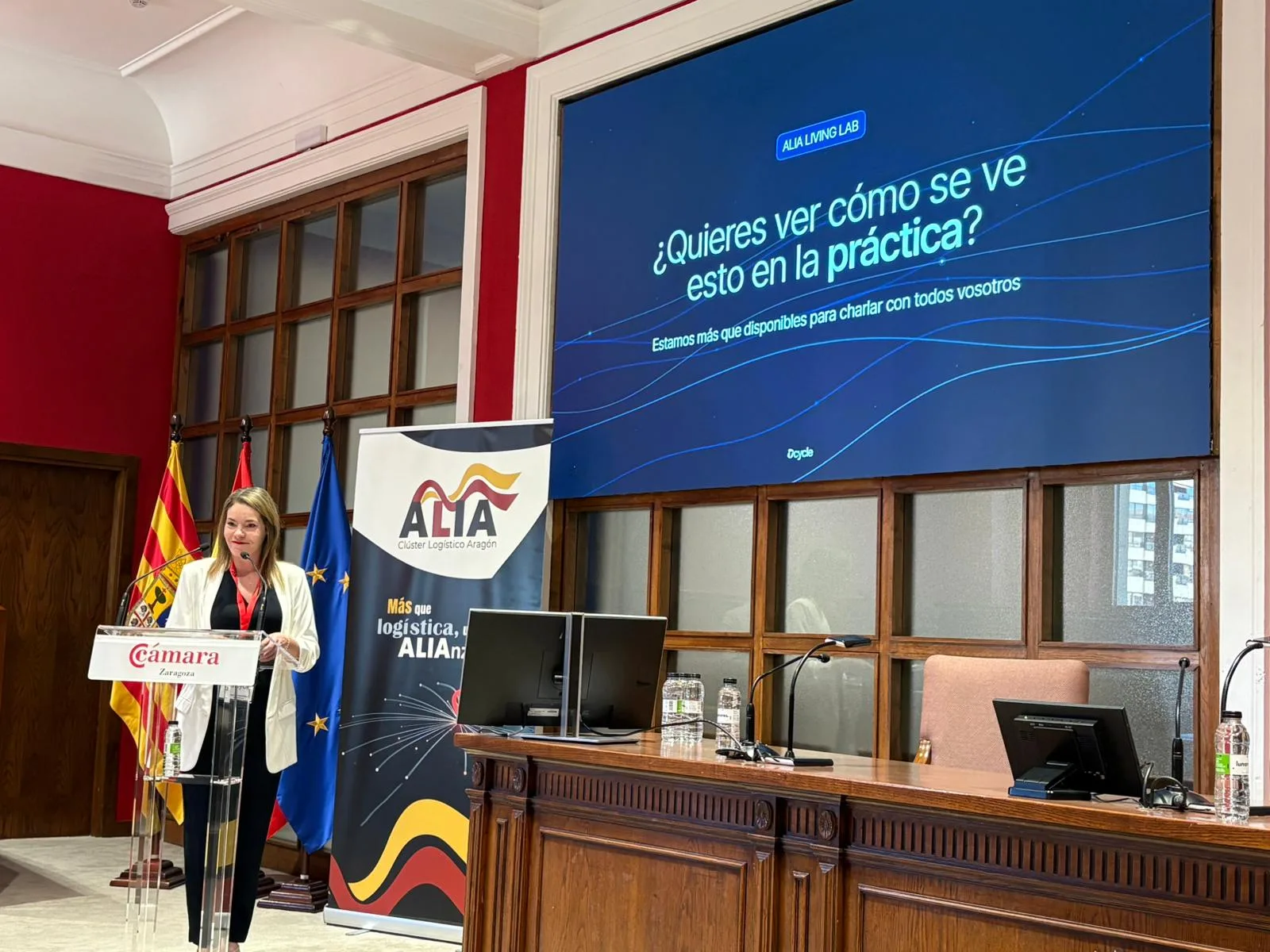
The Living Lab format was perfect for the kind of open, practical exchange we value at Dcycle. Rather than a one-way presentation, it became a real dialogue about the state of sustainability in logistics, the obstacles companies face, and the tools that can actually help.
We left Zaragoza energized by the quality of the conversations and the sector’s genuine commitment to making decarbonization work. If your logistics company is navigating carbon footprint measurement, GLEC compliance, or multi-framework reporting and wants a practical path forward, let’s talk.
See how Dcycle can cut your reporting time by 70% and give your auditors what they need , the first time.
See Dcycle in action